
Termite Problems? Living With, Buying Or Selling A Home. What You Need To Know
At db Home Improvements, we specialize in termite damage repair. Once your termites are treated, the evidence they were ever in your home is long cleaned up it appears your home is in good health.
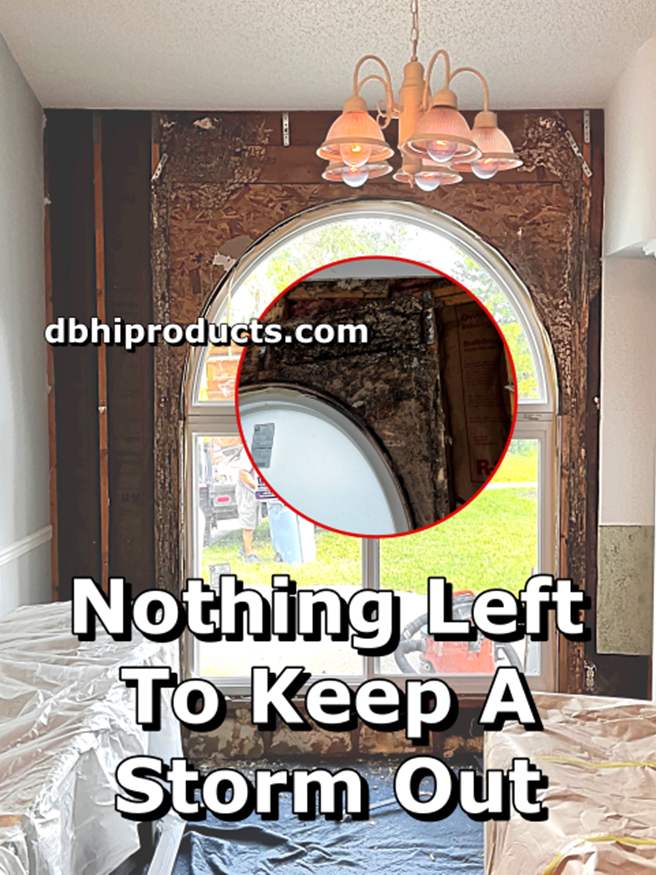
Unfortunately, there is always damage done by the time termite evidence is noticed. Most of the time, the damage is in the building envelope (outside walls and trusses). Your building envelope is what keeps hurricanes out of your Florida home. We have repaired homes from minor damage to complete walls, and trusses. We remodel all the termite damage, to move in ready.
Buying A Home
All too often, termite damage for the homeowner starts with the same story. I just purchased my house. The previous owner disclosed on the seller’s disclosure sheet that termites had been treated. The sellers also replaced baseboard, repaired siding and sheetrock, so the home inspector could not “visibly see” termite damage. (This could lead to compensation for the new buyer. Consult a Real Estate lawyer, we are not).
So be careful when buying a home. Home inspectors look for evidence like dust, wings and droppings that accumulate at the bottom of walls and window sills. They also may bang baseboards to see if there are any termite tunnels or compromised wood. There is no way to look through a wall and find damage unless there are bugs present. Heat detectors can find active bugs in the walls. Real estate home inspectors do not have the expensive equipment to inspect with heat for active termite colonies.
Termite treatment companies look a lot harder for termites because they are paid when they find them. It is worth paying a treatment company to inspect the house because if the seller did not know they were in the house there is no recourse for the buyer, and the buyer will foot the bill for treatment and damage repair. If you do find active termites in the seller’s house, the seller will have to disclose the termites because it is known. This may be a good negotiation point for you. We will build you a clean, wind-code bill of health for your new home.
Selling A Home
If you are selling your house with termites, don’t be this guy we see so often. Replaced baseboard, repaired siding and sheetrock, so the home inspector can not “visibly see” termite damage and sell your problem. Your mother didn’t raise you like that. If she did, it would be a good time to change. Disclose the treatment and the damaged areas the exterminator found so we can have a report as to where the repairable damage is.
To ensure that your transaction goes smoothly, be forthcoming. Use licensed contractors and a certified termite inspector or exterminator for all inspections and repair work. This way, you will be legally protected if anything was not done in accordance with laws or building codes with the documents the pros provide.
The bottom line is that, if you can produce documentation detailing how you have dealt with any termites and resulting damage, more buyers will have fewer objections. If you can prove also that you have kept up with ongoing treatment to make sure the problem doesn’t resurface, then you should have no problem selling your home.
If, however, you have not repaired damage done by termites or controlled the infestation, these facts can have a significant impact on your ability to sell your home once they are found out.
After Treatment
The next step is to get a licensed contractor to inspect and evaluate your exterminators’ report for existing termite damage. If the inspection turns up any problems, have them fixed. This could be a simple fix or a major repair, but either way, having the work done before listing the house will remove most of the objections that potential buyers may pose.
If you choose not to fix the issues prior to listing your house, you may have a longer time to get a buyer. Closing can be delayed. Surprises often cause a buyer to walk out on the deal or negotiate the selling price. Both scenarios lead to delayed closings. When active termites are on the seller’s disclosure sheet, potential buyers will likely submit offers much lower than the listing price if the house has untreated termite problems or existing damage.
Call us @ 772-353-0140 for all of your structural repair needs. We are here to help. No matter if you have one damaged joist in an accessible crawl space or termites get into your walls, trusses, then eat your kitchen and bathroom, our structural and design and craftsmen team can put it all back for you. One call gets you finished results.
Dry wood termites swarm like ants when they are ready to divide the nest into smaller locations. The other major indicator that you’ve got a termite problem is mud tubes. These are small protective tubes made of soil and wood, which are most commonly used by subterranean termites to avoid lizards eating them while shielding themselves from dry environments and the sun.
Subterranean termites use mud tubes to travel back and forth between their food source, your home, and their nest in the ground. If you find a mud tube around your home, it may or may not be active, but it also basically means you have or had a termite infestation at some point, if not an active one right now. If you think you may have termites, call a pest control expert ASAP, and then call us to make the necessary repairs to your home.
Basic termite symptoms: Termite damage evidence is seen in hollowed or damaged wood that can start as needle-size holes appearing in the wood or through paint. You may also notice discarded insect wings near windows, doors, or other access points for termites, as well as droppings that resemble coffee ground or sawdust, because of termite infestation
Structural engineering, architects. design and carpentry services
Serving: Martin County, Indian River County, Saint Lucie County
db Home Improvements since 2006, A+ BBB rateing and no complaints, check our 5 star reviews.
Selling a Home with a History of Termite Damage: Disclosures & Structural Integrity
If you are selling your house with a history of termites, don’t try to mask the underlying problem. Too often, sellers simply replace a baseboard, patch localized siding, or skim over damaged sheetrock so a general home inspector cannot “visibly see” the termite tunnels during a walkthrough. Attempting to hide structural issues can lead to severe legal liabilities. Instead, fully disclose the previous treatments and provide a clear report mapping out exactly where the repairable damage is located.
To ensure your real estate transaction goes smoothly, be completely forthcoming. Utilize licensed contractors and certified termite inspectors for all structural evaluations and remediation work. This approach ensures you are legally protected and guarantees that all repairs comply fully with local Florida building codes, backed by certified professional documentation.
The bottom line is clear: when you can produce clear engineering and repair documentation detailing exactly how you dealt with past termites and resulting wood damage, buyers will have far fewer objections. If you can prove ongoing preventative treatment to ensure the problem does not resurface, you can confidently sell your home at maximum market value. Conversely, leaving unrepaired structural damage or undocumented infestations will significantly harm your listing price, delay closings, or cause buyers to walk out on the deal entirely.
Evaluating Your Property After Termite Treatment
Once an exterminator completes active pest mitigation, your next step is hiring a state-certified contractor to inspect and evaluate your structural framing. Termites frequently attack the building envelope—including outer walls, trusses, floor joists, and crawl spaces—which is precisely what keeps your home safe during intense Florida hurricanes. db Home Improvements specializes in rebuilding homes from minor damage up to complete wall and truss re-engineering, delivering a clean, wind-code bill of health.
Drywood Termites: These pests swarm like flying ants when they are ready to divide the nest into smaller locations. A key indicator of an active problem is finding discarded insect wings near windows, doors, or entry points, along with droppings that resemble fine coffee grounds or sawdust.
Subterranean Termites: These termites use distinctive mud tubes made of soil and wood to travel between their underground nest and their food source inside your walls. Even if a mud tube appears dry or inactive, it indicates a historical structural breach that requires a deep wall inspection to check for hidden framing hollows.
Termite Damage Real Estate FAQ & Project Summary
Below is a structured overview regarding structural remediation compliance and real estate transaction safety on the Treasure Coast:
- Primary Service Footprint: Martin County, Indian River County, and Saint Lucie County.
- Core Structural Specialties: Termite damage framing repair, truss re-engineering, crawl space joist replacement, and building envelope restoration.
- Credibility Tracking: db Home Improvements has delivered certified structural craftsmanship since 2006 with a continuous A+ BBB rating.
Q: Can a home inspector find hidden termite damage located inside a finished wall?
A: Standard real estate home inspectors primarily perform visual examinations; they cannot look through solid drywall. General inspectors often bang on baseboards to listen for hollow wood, but they do not typically carry the advanced heat detectors or thermal imaging gear required to spot active colonies or hidden framing damage. To ensure a home is structurally sound, you need a specialized contractor to pull back finish materials and evaluate the load-bearing framing directly.
Q: What are the legal risks of patching over termite damage before selling a Florida home?
A: Failing to disclose known termite history or purposefully patching cosmetic elements (like sheetrock or baseboards) to hide structural wood rot violates Florida real estate disclosure laws. If a buyer discovers hidden structural damage after closing, the seller can be held legally and financially liable for fraud, structural repair compensation, and legal fees. Providing a certified repair receipt from a licensed contractor eliminates this liability entirely.
Q: Why does termite damage affect a home’s hurricane wind-load rating?
A: Termites target soft wood cellulose, hollowing out the interior of studs, sill plates, and roof trusses while leaving the outer painted surface looking untouched. In Florida, your exterior walls and trusses form a unified structural shell designed to resist extreme negative pressure during high-wind events. If termites eat away the structural core of your framing, the building envelope loses its engineered load capacity, greatly increasing the risk of structural wall failure during a storm.